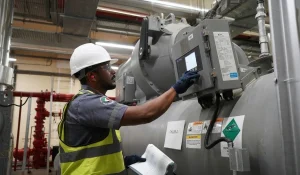
Chiller maintenance company in Dubai services can help businesses schedule equipment servicing without unnecessarily interrupting daily activities. Offices, hotels, retail outlets and industrial facilities have different cooling requirements and operating patterns. A suitable maintenance plan considers these differences before deciding when technicians should carry out inspections, service components or undertake work that requires equipment shutdown.
Why Consider Business Operating Hours?
Maintenance schedules should reflect how a facility functions throughout the day. A retail outlet may experience its highest occupancy in the evening, while an office building may require consistent cooling during working hours. Industrial facilities may have additional restrictions linked to production cycles and machinery operation. Understanding these patterns helps facility managers identify periods when maintenance can be carried out with less disruption.
Before confirming an appointment, businesses should map their operating requirements and identify suitable periods for equipment servicing.
- Review occupancy patterns: Identify busy periods, quieter hours and scheduled closures.
- Check operational restrictions: Determine which areas must remain accessible and which activities cannot be interrupted.
- Confirm site access: Arrange permissions, plant room access and staff availability before the visit.
Match Maintenance Tasks to Available Time Windows
Different maintenance activities require different amounts of time. A visual inspection or review of operating readings may fit into a short appointment, whereas compressor servicing or heat exchanger cleaning may require a longer period and specific isolation procedures. The service plan should account for the work involved, the equipment’s operating requirements and the time needed for final checks.
Combining compatible tasks in one visit could reduce multiple access arrangements. Nevertheless, it is important to combine tasks only if the technical and safety standards permit this practice.
How Can a Chiller Maintenance Company in Dubai Reduce Operational Disruption?
A practical approach is to assess whether cooling can continue while selected equipment is being serviced. In facilities with multiple chillers, a technician may determine that one unit can be taken out of service while the remaining units meet the building’s cooling demand. This depends on system design, available capacity, current load and the condition of the other equipment. Businesses should not assume that a unit can be switched off without affecting occupied areas.
The maintenance plan should also allow time for equipment isolation, the agreed work, operational checks and a controlled return to service. Including these stages in the schedule gives facility managers a more realistic estimate of when the equipment will be available again.
Use Phased Maintenance for Multi-Chiller Facilities
Facilities with several chillers may be able to spread maintenance across separate appointments instead of servicing every unit during one extended shutdown. This approach can help preserve cooling availability, provided the remaining equipment can handle the expected demand. A technical assessment should determine the order of work and whether the proposed arrangement is suitable.
A phased plan can follow four steps:
- Assess capacity: Determine the contribution of each unit and the expected cooling demand during servicing.
- Prioritise equipment: Identify units requiring urgent attention and establish which work should take place first.
- Schedule separate visits: Allocate maintenance windows that avoid taking unnecessary equipment out of service simultaneously.
- Check performance: Confirm that each serviced unit is operating as expected before proceeding to the next stage.
Using this technique, it is possible for facilities managers to arrange their maintenance schedules according to the needs of the equipment.
Prepare for Maintenance During Low-Occupancy Periods
After-hours and weekend appointments can be useful when work requires equipment shutdown or restricted access. However, these periods are not suitable for every facility. Hotels, healthcare facilities and industrial locations that run 24 hours a day can still require non-stop cooling during non-business hours.
Before approving an out-of-hours appointment, facility managers should:
- Confirm that the available period is sufficient for the planned work and final checks.
- Ensure authorised personnel are available to provide access.
- Identify areas that may experience temporary changes in cooling.
- Arrange a handover before normal activities resume.
These arrangements help businesses use quieter periods effectively without compromising operational requirements.
Assess Provider Coordination and Repair Arrangements
The provider’s scheduling process should be considered alongside the technical scope of the work. Businesses need to understand which tasks are included, how long the visit is expected to take and what happens if technicians identify an additional fault. This is particularly important when maintenance must be completed within a limited window.
When comparing chiller services in Dubai, businesses should ask how providers communicate delays, document unexpected findings and arrange follow-up work. These details help facility managers assess whether a proposed service arrangement suits their site’s operating requirements.
When selecting chiller repair companies, it is also essential for the company to know the process for authorization of emergency repairs, replacement components, and extra visits, in case of a need for adjustment of the initial service agreement.
Align Maintenance Agreements with Business Requirements
A periodic maintenance schedule should depend on the state of the equipment, the manufacturer’s advice, and the operating schedule of the organization. The change in terms of employment, time of operations, or manufacturing requirements may render the existing schedule inapplicable. Periodic checking of the calendar will make sure that all planned meetings are feasible.
Businesses considering a chiller AMC company should check how the agreement defines scheduled visits, response arrangements, reporting and exclusions. They should also establish whether the proposed service schedule can accommodate operational restrictions and how appointment changes will be handled.
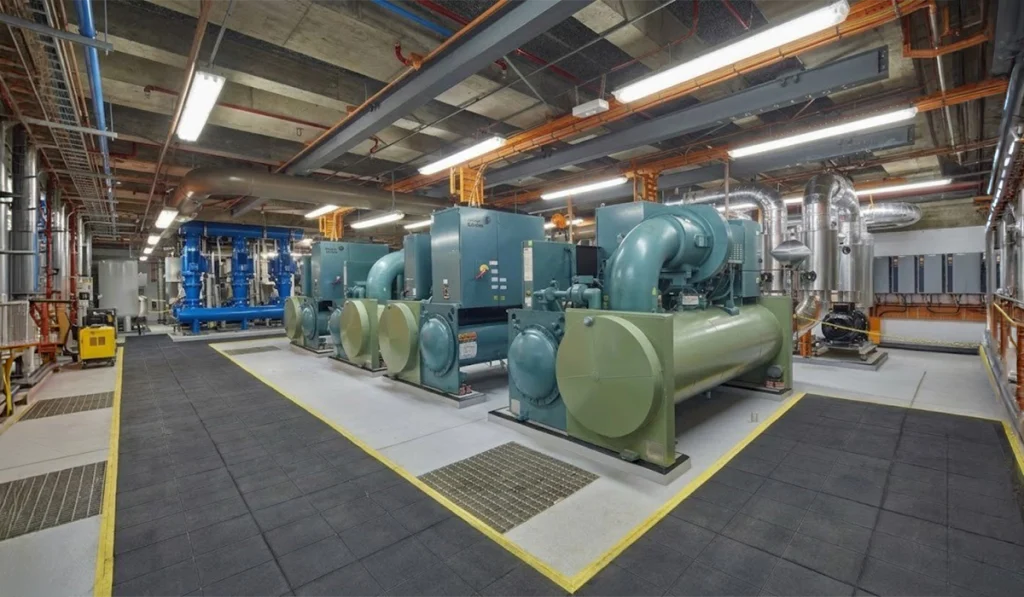
Use Service Records to Improve Future Scheduling
Recording completed work gives facility managers a practical reference for future maintenance planning. Actual duration of service will allow organizations to determine whether certain tasks require longer periods of access, and delay logs will help identify coordination issues. This data will allow organizations to develop better scheduling based on past experience.
A useful maintenance record should include:
- The agreed appointment and scope of work.
- Equipment serviced and any operational restrictions.
- Actual start and completion times.
- Additional work and recommendations.
- Confirmation that the equipment was checked before normal operation resumed.
Keeping these details together makes it easier to plan subsequent visits and track outstanding work.
Conclusion
Planning chiller maintenance around operating hours requires businesses to balance technical requirements with the practical demands of running a facility. A chiller maintenance company in Dubai can help businesses assess cooling needs, select suitable service windows and determine whether equipment can remain operational during maintenance. Clear service agreements and accurate records also make future scheduling more manageable. By considering these factors before choosing a provider, businesses can establish a maintenance plan that supports both equipment reliability and daily operations.
Explore Aesell to discover businesses and service providers that match your requirements.
Frequently Asked Questions
What should businesses discuss before scheduling chiller maintenance?
The business enterprise must be clear about the scope of work to be done, the period required, access needed, the shut down procedure and pre-operation checks.
Can maintenance be completed without shutting down the entire cooling system?
In some facilities, selected equipment can remain operational while another unit is serviced. This depends on system design, available capacity, cooling demand and a qualified technician’s assessment. Certain tasks may still require a shutdown.
How can facility managers improve future maintenance schedules?
Facility managers can record actual service durations, note access difficulties and review changes in occupancy or equipment usage. These records help them select suitable maintenance windows and coordinate future appointments more effectively.