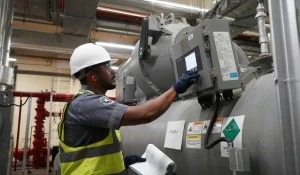
Chiller system failures usually don’t happen suddenly. They start with small warning signs like unusual noises, minor issues, or a drop in performance. Overlooking them, they snowball into outright failures and cause expensive repair jobs, wastages of energy, or system losses. Being able to detect such issues at an early stage saves you money, time, and inconvenience.
The Importance of Preventive Observation
Regular monitoring of your cooling system performance is the solution to avoiding costly surprises. Keep an eye out for temperature fluctuations, rising energy use, and unusual vibration. These could be indications of possible issues that should be addressed.
The secret is to look for trends. For example, if cooling capacity falls off suddenly or components are being heard operating louder than expected, it may be a sign of mechanical or wear trouble that must be corrected at once.
Hiring a reliable chiller maintenance company can make a significant difference in detecting and addressing early faults that are often missed in daily operation.
Early Warning Signs You Should not Ignore
Pre-detection of signs of failure is a key role of chiller maintenance. Some of the most common warning signs in the early stages are explained below:
Unusual sound levels: Rattling, grinding, or buzzing sounds could signal loose fittings or mechanical problems.
Electricity consumption surges: This is most likely a sign that your chiller system is being forced to work harder than it needs to due to there being inefficiencies hidden below the surface.
Leaky fluids: Leaks of any refrigerant or water are always not normal.
Inconsistent cooling: If areas of your building are wp-signup.phping different temperatures, your unit could be struggling to cool down to its full potential.
Chiller System Problems
Understanding the causes of the problems is the key to effective chiller troubleshooting. Most of the problems result from a lack of maintenance or incorrect system calibration. Some of the most frequent offenders are:
- Filthy condenser coils
- Low refrigerant levels
- Blocked lines or filters
- Defective thermostats
The why is what informs the technician which solution is appropriate. It also gets technicians quicker, bypassing expensive downtime.
Learning the Use of the Chiller Maintenance Checklist
A chiller maintenance checklist can be a savior. It offers a systematic approach to performance tracking and identifying deviations before they cause significant faults. This should include:
- Refrigerant level checking
- Pressure and temperature level checking
- Coil checking and cleaning
- Safety device testing
A checklist given ensures that there is nothing omitted while performing maintenance. Periodic checks on the checklist have the ability to detect the beginning of change before problems go to deep faults.
Benefits of Being On Time with Industrial and Commercial Chiller Repair
In commercial chiller repair or industrial chiller repair, time is critical. Quick action not only saves repair expenses but also improves system efficiency and reliability. Delay results in complete failure, stock loss, and loss of precious time.
Early detection and correction of faults enable you to extend the life of your chiller system and maintain long-term costs under control.
Common Chiller Faults and What They Mean
Some of the common chiller faults may appear small but may be indicative of trouble brewing:
High discharge pressure: May be a result of dirty condensers or over-charging of refrigerant
Low suction pressure: May be a result of refrigerant leak or dirty expansion valve
Normal short cycling: Generally indicative of electrical or control system issues
Compressor overheating: Indicative of poor ventilation or motor failure what to search for and how to evaluate symptoms
Surveillance for these signs is attainable and enables capturing underlying system imperfections in advance and thus enables timely professional action.
Best Chiller Maintenance Methods and Long-Term Reliability Tips
Adhering to these chiller maintenance tips as a routine measure can be a boon in maintaining the system in a healthy condition:
- Replace or maintain filters every three months
- Maintain fluid levels and flow rates
- Clean vents and their surrounding areas
- Get professional inspections every six months
These are habits that ensure performance at an optimal rate with risk of failure kept to the minimum.
Subtle Signs That Could Mean Big Trouble in Your Chiller System
Even slight fluctuations in your cooling system can be an indicator of an impending problem. Tiny signs like sporadic thermostat malfunction, spasmodic reboot cycles, or transient cooling loss may be inconsequential at the surface level. But they become more and more common and consequential in the long term.
You must track the functioning of your system on a daily basis. Any deviation from the pattern of functioning or utilization of power should be taken into consideration seriously.
Modern Strategies for 2025 and Beyond Troubleshooting
2025 chillers are smart, but they need human wisdom. Smart diagnostic tools in 2025 diagnose chillers with real-time alerting and system analysis. Pressure loss, motor failure, or refrigerant level can be identified with electronic equipment without the need for a human eyeball test.
Human interpretation is still needed, however. Use technology with trained eyes for optimal performance.
The Value of Investing in Chiller Regular Maintenance
Do not forget to unwind. Investment in regular chiller maintenance ensures time-testing reliability, avoids money squandered on emergency maintenance, and extends system life. A regular maintenance schedule ensures that its expense is always lower than for total repair or replacement work.
Regular maintenance, especially a chiller maintenance checklist, facilitates routine inspections and quick response.
Real-Time Monitoring for Intelligent Preventive Action
Real-time monitoring equipment is currently an important tool for anticipating common chiller problems. Sensors measure real-time flow rates, temperature, and pressure. This can be utilized to predict when a unit will fail.
Use this knowledge to schedule maintenance visits prior to the minor problem turning into a major failure.
Final Thoughts
Periodic inspection, preventive maintenance, and intimate knowledge of your chiller system are your best protection against costly breakdowns. Identify abnormal symptoms early and act fast. Never undervalue the value of chiller service – it costs you money, headaches, and potential loss.
Tackling chiller diagnosis quickly and maintaining your chiller schedule on track will have your cooling systems purring along for many years to come.
Frequently Asked Questions (FAQs):
What are the most prevalent indicators of problems in a chiller system?
Typical indicators are buzzing sounds, erratic temperatures, and very high energy costs.
Why is prompt chiller maintenance essential?
It enables one to spot problems beforehand and ensure continuous system running.
What should a good chiller maintenance checklist consist of?
Pressure tests, fluid tests, coil cleaning, and filter replacement.
How does prompt industrial chiller repair prevent dire problems?
Early maintenance prevents minute issues from snowballing into costly breakdowns.
What are some of the most frequent chiller problems to look out for?
Leaks, hot compressors, and pressure imbalance are only a few of the most frequent problems.